
Factory machinery sourcing: confirm utilities before comparing quotes
Build a clear utility and installation brief for factory equipment, covering electrical supply, compressed air, cooling and responsibility at each connection.
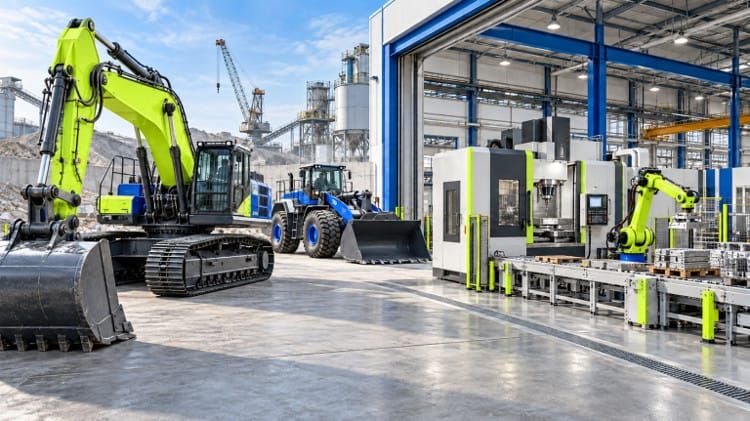
A machine can meet the production target in a supplier’s proposal and still arrive with unresolved installation requirements. Electrical supply, compressed air, cooling and extraction may be outside the quoted package. Before comparing prices, establish what the equipment needs and what the receiving factory can provide.
The most useful procurement document is a utility schedule connected to the supplier’s actual machine configuration. It gives purchasing staff, the equipment supplier and the factory’s technical team one version to review.
Begin with the production conditions
Describe the product, required output, operating pattern and the configuration being quoted. Ask whether the stated utility figures apply to that exact setup, including accessories and optional equipment. A general brochure figure may not describe a line with an added conveyor, heater or secondary packaging unit.
Keep supplier requirements and site availability in separate columns. An unresolved site figure should remain marked “to be confirmed”; copying the supplier’s requirement into that column does not establish that the factory can meet it.
Ask for an electrical schedule, not just a power figure
Request the rated supply voltage, phase and frequency, together with the manufacturer’s connection requirements. Ask the supplier to distinguish connected load, expected operating demand and any starting or peak requirement relevant to the selected equipment. The factory’s qualified electrical team should assess the supply and protective arrangements using the manufacturer’s documentation.
ABB’s motor nameplate guide explains that motor ratings relate to specified voltage and frequency. A machine description such as “three-phase motor” is therefore not enough to settle compatibility. Equally, one motor’s nameplate does not describe the entire machine’s heaters, controls, drives and auxiliary equipment.
Ask for drawings and data for the complete quoted configuration. Do not assume that a transformer, variable-speed drive or different motor connection will resolve a mismatch without the supplier and site engineer confirming the arrangement.
For compressed air, record pressure and flow together
Where equipment uses compressed air, obtain the required pressure at the machine inlet, average and peak flow where relevant, operating duty and air-quality requirement. Preserve the units and reference conditions used in the supplier’s figures so the factory team can compare them with its system data.
Kaeser’s compressed-air design guide discusses equipment pressure, airflow, duty cycle and differing air-quality needs. The practical purchasing point is that a statement such as “compressed air available” does not demonstrate that the supply is suitable at the equipment’s point of use.
Confirm whether any receiver, dryer, filter, regulator or local connection package is included in the offer. Equipment selection and system sizing should follow the actual application review; adding an arbitrary percentage to a brochure figure is not a substitute for that work.
Include the utilities that are easy to miss
Depending on the machine, ask the supplier to confirm water, cooling, drainage, steam, ventilation or extraction needs. For each applicable service, request the required operating conditions, connection details and any quality restrictions. Mark a service as “not required” only after the supplier confirms that it does not apply to the selected configuration.
Also request the installation drawing. The machine’s transport dimensions are not the same as its working footprint. Space may be needed for access panels, material loading, finished-product movement and routine maintenance. Resolve those interfaces before deciding that equipment fits the available area.
Make the supply boundary visible
A quotation should identify where each party’s responsibility begins and ends. For example, does the supplier provide only the machine connection, or also the local hose, cable or treatment package? Who designs and installs the site-side services? Who checks readiness before commissioning?
Use a short boundary record for every service:
- Requirement: the supplier’s approved value, units and document revision.
- Site condition: the verified available service, or the outstanding investigation.
- Included equipment: exactly what is supplied with the machine.
- Owner: who provides the remaining work and confirms completion.
- Acceptance evidence: the agreed inspection, measurement or commissioning record.
Compare complete offers
When one quotation includes auxiliary equipment and another excludes it, list the difference before comparing totals. Record installation work, commissioning attendance, documentation and training separately where they affect the scope. An unresolved item should appear as an open commercial or technical point, not disappear inside a low headline price.
Zenith Eclipse sources construction machinery, factory equipment and industrial production systems against project requirements. Send your application, target capacity, destination, configuration needs and available site information to sales@zenitheclipse.com to begin a defined sourcing enquiry.
Published by Zenith Eclipse, covering agricultural commodities, international logistics and machinery sourcing.