
Chickpea sample approval: connect the test to the shipment
A practical way to record what a chickpea sample proves, link it to a specific lot, and keep purchasing and quality teams aligned before shipment.
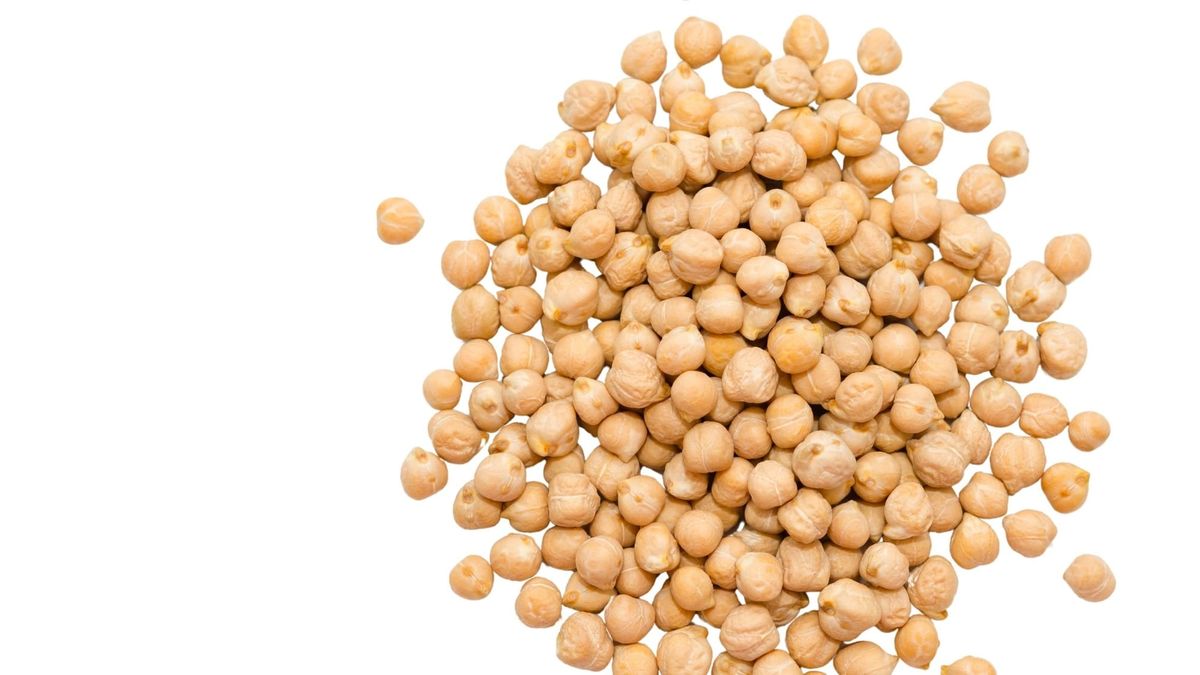
A chickpea sample can help a buyer assess appearance, size distribution or processing behaviour. The approval becomes much less useful when nobody records which goods the sample represents. Before accepting “sample approved” as a shipment instruction, separate the product trial from the decision to release a particular lot.
This is especially useful when purchasing teams, quality staff and suppliers work through different messages. A clear approval record gives each team the same reference.
Start by identifying the purpose of the sample
Ask the supplier whether the sample is an illustration of a product they can source, material drawn from a proposed stock lot, or a sample collected from the goods prepared for shipment. These serve different commercial purposes. A successful trial on an illustrative sample does not, by itself, establish the condition of a later consignment.
Record the sample reference, chickpea class, supplied form, declared origin, date received and the lot reference, if one exists. If the sample is not tied to a lot, say so directly. Avoid filling an empty field with an assumption.
Agree how the sample represents the goods
The Canadian Grain Commission’s sampling guidance explains why a quality assessment depends on a sample representing the grain lot. For a commercial purchase, ask who will collect the shipment sample, at what stage, using which agreed procedure, and how it will be identified.
The procedure should suit the physical lot and the purpose of testing. A jar selected for a sales presentation is different from a sample drawn under an agreed sampling plan. Ask your inspection provider to specify the plan and sample quantities, including retained portions, instead of inventing one fixed sampling quantity for every order.
Make every reported result interpretable
“Good size” and “low damage” leave too much room for different interpretations. For size, specify the sieve or other agreed measurement method and the result to report. For defects, identify the definitions and the basis on which percentages are calculated.
The Canadian Grain Commission’s chickpea grading guide distinguishes the cleaned sample from the original material and uses representative portions for grading. Its sizing procedure also specifies a sieve and reports the percentage retained. These are useful examples of defined methods; a Canadian grade should only be claimed where the applicable grading requirements are met.
For your order, capture the method reference beside each requested characteristic. Where an external laboratory is involved, confirm that its report will identify the tested sample and the method used.
Keep the processing trial separate
A packer, hummus producer and dal processor may evaluate different outcomes. Write the intended application into the trial record, then record the preparation conditions and the observations that matter to that application. If the buyer changes its process between tests, preserve that information rather than treating the results as directly interchangeable.
A practical approval can distinguish three outcomes: acceptable for the buyer’s trial conditions; acceptable subject to a stated specification; and not yet accepted for shipment. This avoids turning a favourable trial into an unrestricted release.
A fictional example
A buyer receives sample CP-A for a new retail chickpea line. The quality team accepts its appearance under the recorded assessment. Two weeks later, the supplier proposes lot CP-B for shipment. The useful next step is to reconcile CP-B with the agreed specification and inspection requirement. Reusing the CP-A approval without establishing the relationship between the samples and the lot leaves the shipment decision unsupported.
This example does not describe an actual Zenith Eclipse transaction. It illustrates why sample identity belongs in the purchasing record.
Use one approval sheet
- Identity: sample ID, product class and form, supplier reference, date and represented lot.
- Tests: characteristic, method, acceptance requirement and reported result.
- Trial: intended use, preparation conditions and buyer observations.
- Decision: accepted, conditionally accepted or rejected, with the exact scope.
- Release: shipment lot, outstanding checks, responsible approver and retained-sample references.
For a chickpea enquiry, Zenith Eclipse’s chickpea supply page sets out the product information to discuss. Send the required type, quantity, destination, packing and quality requirements to sales@zenitheclipse.com.
Published by Zenith Eclipse, covering agricultural commodities, international logistics and machinery sourcing.